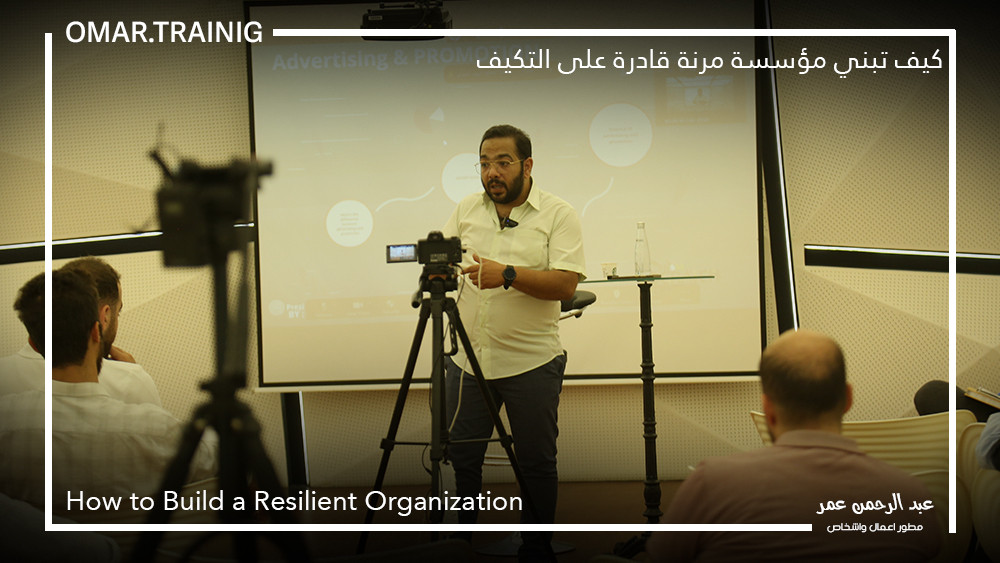
Introduction
In an unpredictable world filled with market fluctuations, technological changes, and global challenges, organizational flexibility has become a key factor for survival and success. A flexible organization can adapt to change, overcome crises, and even turn challenges into opportunities.
What Is Organizational Flexibility?
Organizational flexibility means the ability of a company to respond effectively and quickly to internal and external changes—whether in market demands, technology, customer behavior, or team dynamics. It’s about agility, adaptability, and continuous improvement.
Why Flexibility Matters
-
Faster response to change: The business environment shifts daily; flexible companies adjust immediately.
-
Improved employee engagement: Teams that feel trusted and empowered adapt better to new challenges.
-
Stronger innovation: A culture of flexibility encourages creativity and experimentation.
-
Long-term sustainability: Flexibility ensures the organization can evolve rather than resist change.
Faster response to change: The business environment shifts daily; flexible companies adjust immediately.
Improved employee engagement: Teams that feel trusted and empowered adapt better to new challenges.
Stronger innovation: A culture of flexibility encourages creativity and experimentation.
Long-term sustainability: Flexibility ensures the organization can evolve rather than resist change.
Key Steps to Build an Adaptive Organization
-
Encourage a growth mindset – Promote learning and experimentation instead of fear of mistakes.
-
Simplify processes – Complex structures slow adaptation; create agile systems that support quick decisions.
-
Empower teams – Give autonomy and responsibility to employees at all levels.
-
Use technology smartly – Digital tools help monitor change, predict trends, and streamline workflows.
-
Communicate transparently – Open communication builds trust and reduces resistance to change.
Encourage a growth mindset – Promote learning and experimentation instead of fear of mistakes.
Simplify processes – Complex structures slow adaptation; create agile systems that support quick decisions.
Empower teams – Give autonomy and responsibility to employees at all levels.
Use technology smartly – Digital tools help monitor change, predict trends, and streamline workflows.
Communicate transparently – Open communication builds trust and reduces resistance to change.
Common Mistakes to Avoid
-
Centralizing all decisions at the top.
-
Ignoring employee input during transformation.
-
Clinging to outdated procedures.
-
Focusing on short-term profits instead of adaptability.
Centralizing all decisions at the top.
Ignoring employee input during transformation.
Clinging to outdated procedures.
Focusing on short-term profits instead of adaptability.
Conclusion
Building a flexible and adaptive organization requires cultural and structural transformation. It’s not about reacting to every change but about preparing for change as a constant. Companies that invest in adaptability today will lead their industries tomorrow.
Contact:905466208933